
Running With The Pack
Why The Process Still Matters When The Outcome Does Not Come

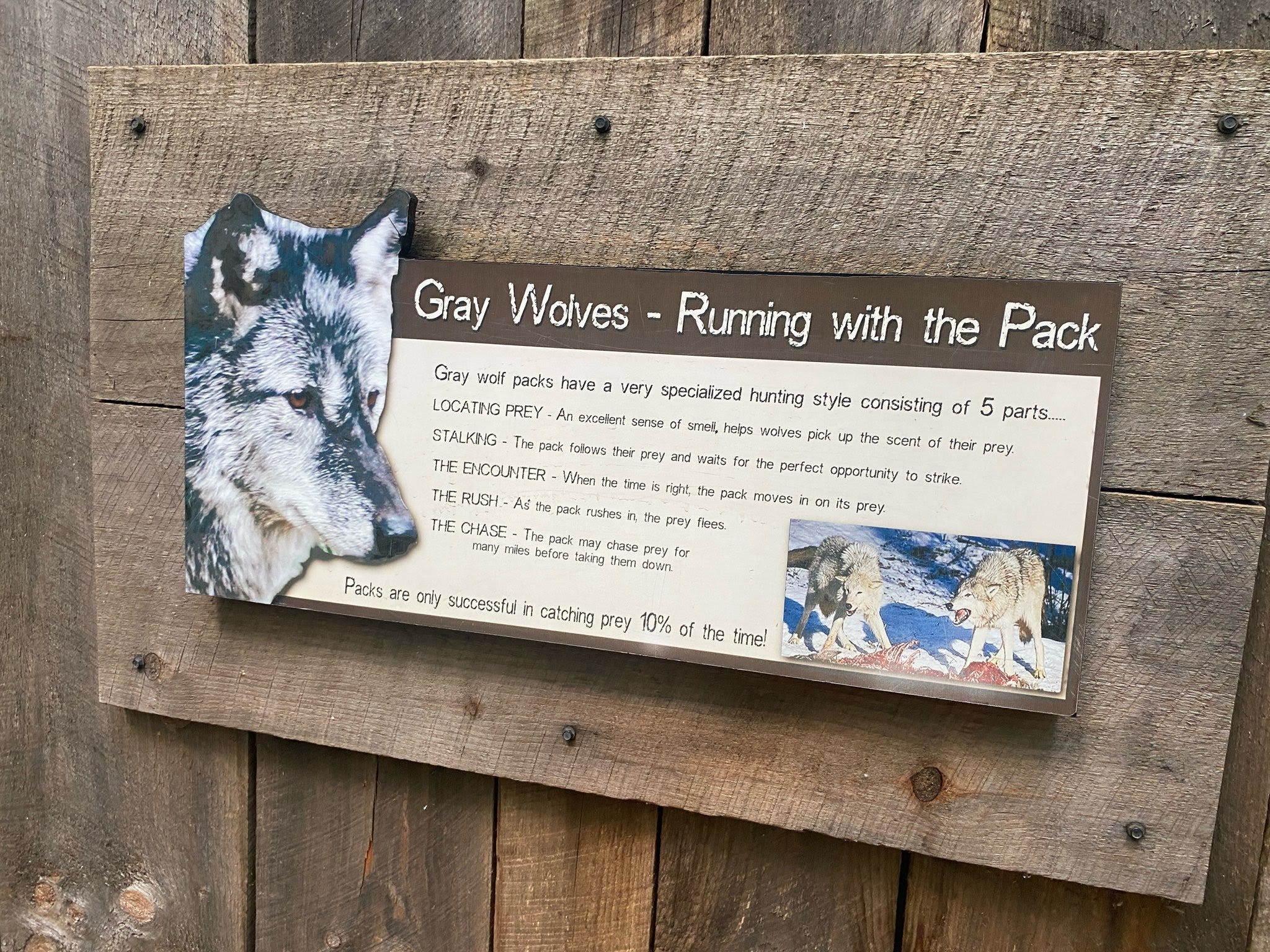
Gray wolves have a process.
They locate prey. They stalk. They wait. They encounter. They rush. They chase. They work together as a pack with instinct, patience, coordination, and purpose.
And after all of that, they are only successful in catching prey about 10% of the time.
That number stopped me, not because it made wolves seem ineffective, but because it revealed something deeply true about sport, development, and life. Even in nature, with a process, a pack, skill, repetition, and instinct, the desired outcome is not guaranteed.
The process does not guarantee the result.
It prepares them for the opportunity.
That is a hard reality for athletes to accept, especially in a world that keeps selling them formulas, hacks, algorithms, shortcuts, and guaranteed results. We are surrounded by promises that if we do the right thing, in the right way, with the right intensity, then we should get what we want. We begin to believe that if a process is good, the outcome should come quickly, visibly, and consistently.
But that is not how meaningful growth usually works.
And it is not how sport works either.
When Athletes Think “It Didn’t Work”
This is something I see all the time with kids, adolescents, and even adult athletes. They begin a new practice, commit to a routine, learn a breathing strategy, change their mindset, prepare more intentionally, or try to compete from a steadier place. Then they miss the shot, strike out, get nervous again, lose the match, make the mistake, or fail to play their best.
And the conclusion comes quickly.
It didn’t work.
But did it not work?
Or did it just not guarantee the outcome?
That distinction matters because if athletes believe the process is only valuable when it immediately produces the result they wanted, they will not stay with anything long enough to be formed by it. They will keep abandoning the very practices that are trying to build them. They will confuse a missed shot with a failed system. They will confuse discomfort with danger. They will confuse a lack of visible progress with a lack of growth.
A pre-shot routine still matters if the shot misses. A breathing practice still matters if anxiety shows up again. A mindset shift still matters if doubt returns. A commitment to preparation still matters even when the performance does not look the way they hoped it would.
The practice did not fail simply because the result did not come.
It may have still helped them settle, refocus, respond, learn, and return. It may have helped them miss with more presence, compete with more courage, or stay in the moment a little longer than they would have before. It may not have changed the outcome yet, but it may have been changing the athlete.
And that matters.
Practice Is Not a Transaction
One of the deeper problems is that athletes can begin to treat practice like a transaction.
I did this, so now I deserve that.
I worked hard, so I should play well. I prepared, so I should win. I breathed, so I should feel calm. I changed my mindset, so I should stop doubting. I trained, so I should see immediate progress.
But practice is not a transaction. It is preparation. It develops the person. It increases the probability that, over time, the athlete will be more ready, more skilled, more steady, more aware, more resilient, and more capable when the moment comes.
It does not make every moment go their way.
It helps them become someone who can keep showing up when most moments do not.
That is the hidden formation inside sport. So much of development is not happening in the highlight, the breakthrough, the win, or the personal best. It is happening in the ordinary and frustrating spaces where the athlete keeps showing up without immediate proof that it is working.
It happens when they miss and stay engaged.
It happens when they strike out and keep competing.
It happens when they feel nervous and still step forward.
It happens when they do not feel their best and choose to prepare anyway.
That is where the process becomes more than a way to chase outcomes. It becomes a way of forming the athlete.
The 90% Where Growth Happens
Many athletes think something is wrong with them because they are not achieving their best very often. They believe their best should be available on demand. They think confidence should always feel strong, motivation should always be present, and progress should always be obvious.
But peak moments are rare by nature.
Flow is rare. Personal bests are rare. Everything clicking at once is rare. The game feeling easy is rare. Even great performers spend most of their time working through ordinary, uneven, uncomfortable, and imperfect moments.
That does not mean something is wrong.
That means they are in the reality of doing something worthwhile.
Like the wolves, athletes may only “catch what they are chasing” a small percentage of the time. They may only feel fully on, deeply confident, or at their very best every so often. But the question is what happens in the much larger percentage of moments when things are not going their way.
What is being formed there?
Are they learning to stay present? Are they learning to return? Are they learning to regulate? Are they learning to keep preparing? Are they learning to trust the process without needing every result to validate it? Are they learning to pursue something meaningful while accepting that risk, uncertainty, disappointment, and failure are part of the path?
That is where sport becomes about more than performance.
It becomes about disposition.
It shapes how young athletes relate to struggle, effort, preparation, relationships, disappointment, and desire. It teaches them either to give up when the outcome does not come quickly, or to stay connected to what matters even when the result does not arrive on their timeline.
Staying With the Pack
The gray wolf does not abandon the pack because the hunt failed. It does not decide the process is worthless because the prey got away. It returns to the rhythm. It stays with the group. It continues in the way of life that gives it the best chance to survive, grow, and continue.
Athletes need this kind of wisdom.
They need to know that losing does not mean the process was meaningless. Missing the mark does not mean the practice is broken. Not feeling better immediately does not mean the work is worthless. Not seeing outward progress does not mean nothing is being formed underneath the surface.
This is not lowering standards. It is actually what allows athletes to sustain them.
The athlete who needs every result to validate the process will eventually become fragile. They will only believe when things are going well. They will only work when they feel successful. They will only buy in when the outcome is obvious. Their motivation will rise and fall with every performance.
But the athlete who learns to understand process differently becomes steadier. They begin to see that the work can still be working even when the result has not shown up yet. They begin to understand that preparation is not wasted because one moment went poorly. They begin to realize that development is not measured only by whether they made the shot, won the game, hit the number, caught the prey, or played their best.
It is also measured by what is being cultivated in them when they do not.
Patience. Trust. Resilience. Attention. Skill. Humility. Courage. Belonging. The ability to return.
The Process Forms the Person
Maybe this is what the pack has to teach us.
The process does not remove uncertainty. It gives us a way to move through it. It does not promise that we will always get what we want. It forms us into people who can keep pursuing what matters when we do not.
That is what so many athletes are learning, even when they do not realize it. They are not only learning how to perform. They are learning how to stay faithful to meaningful things when there are no guarantees. They are learning how to prepare without demanding immediate proof. They are learning how to keep moving with courage and connection through the many moments that do not go their way.
You may only catch what you are chasing a small percentage of the time.
But stay with the pack.
Stay with the process.
Stay with the pursuit.
Because the goal is not only to win the moment. The goal is to become someone who can keep moving with purpose, courage, and connection through the many moments when the outcome does not come.